Western Cowboy – Retro Western SVG Review
As a designer who spends more time than I care to admit staring at stitch lines and testing thread tension, I approach every new machine embroidery design with a healthy dose of skepticism. We all know the drill: a file looks stunning in a digital mockup but falls apart when the needle hits the fabric. That is exactly why I decided to put Western Cowboy – Retro Western SVG through its paces before recommending it for any client work or personal craft business inventory.
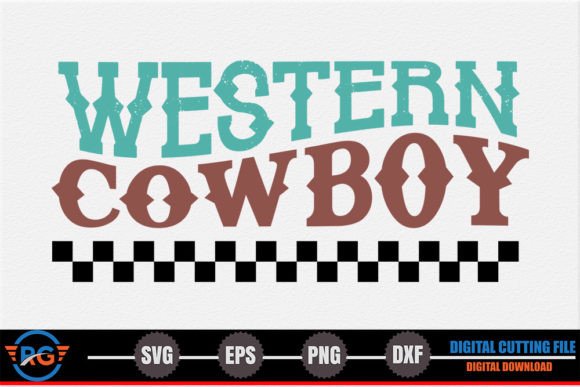
This isn't just another generic clip art download. When you pull this item out of the zip file, which includes separate files in SVG, EPS, DXF, and PNG formats, you are looking at a graphic that has been optimized for versatility. The description promises an editable, color-changeable vector, and my initial test confirmed that these aren't just empty marketing claims. For those of us running small shops on Etsy or managing boutique branding, having a digital embroidery file that allows for easy customization is non-negotiable. You need assets that adapt to your specific color palette without requiring hours of manual tracing in Illustrator.
The First Impression: Mood and Visual Personality
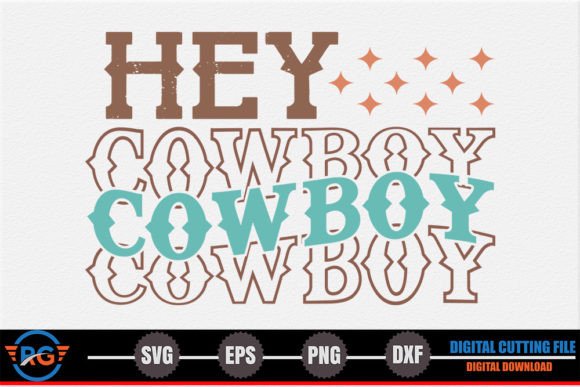
The moment I opened the main SVG file, the retro western vibe was immediate and distinct. It doesn't try to be modern minimalist, nor does it lean too heavily into caricature. Instead, it strikes a balance that feels nostalgic yet fresh. This is crucial because "western" themes can easily tip over into cheesy territory if the line weight or composition isn't handled with care.
From a layout perspective, the design has a strong central anchor. Whether you are planning a chest placement on a sweatshirt or a centered print on a tote bag, the visual weight holds up well. The shapes are clean, which translates directly to cleaner stitching. In my experience, overly intricate line art often results in tangled threads or lost details after washing. Western Cowboy – Retro Western SVG avoids this trap by relying on bold, confident strokes rather than fragile, hairline details. This makes it an excellent candidate for custom apparel where durability and clear visual impact are top priorities.
Real-World Application: Where Does It Shine?
I took this design beyond the screen and tested it across several common embroidery project scenarios. Here is how it performed in practical settings:
- Tote Bag Design: Canvas bags are a staple for craft fairs and market stalls. The high contrast needed for canvas works perfectly with the bold lines of this design. It reads clearly even from a distance, which is essential for attracting attention in a crowded booth.
- Sweatshirt Embroidery: Thick fabrics can sometimes obscure fine detail. Because this design relies on solid shapes rather than delicate shading, it maintains its integrity on fleece and heavy cotton blends. It gives off a cozy, vintage aesthetic that pairs beautifully with earth tones or muted pastels.
- Personalized Gift Items: Think baby onesies or nursery decor. The retro style is timeless enough to appeal to parents who want something unique but not overly trendy. It adds a touch of personality to baby embroidery projects without feeling gender-specific, making it a versatile choice for gift registries.
- Embroidered Patch: If you plan to turn this into a detachable patch for jackets or hats, the clean edges make it easier to digitize effectively. A well-defined border ensures the patch looks professional and doesn't fray as easily during wear.
For Etsy sellers and small shop product creators, this design offers a high perceived value. It looks like a premium asset rather than a mass-produced generic image. When customers see a cohesive brand identity—where the logo, tags, and products all share that same retro western flair—they are more likely to trust the quality of the handmade goods.
Technical Considerations and Stitching Clarity
While the vector graphics are excellent, we must talk about how this translates to actual stitching. The design contains elements that will likely utilize satin stitch for borders and outlines, and fill stitch for larger solid areas. This mix is generally safe for most home and commercial machines, provided you have the right setup.
One critical note for designers: always inspect the stitch density. While the visual file is dense with information, the digitization (if you are converting it yourself) needs to avoid clumping. If you are using a pre-digitized version alongside these vector files, check the underlay stitches. Good underlay prevents fabric distortion, especially on stretchy knits or thin materials.
Another factor is thread selection. The design’s retro nature begs for specific colorways. Think mustard yellows, burnt oranges, deep teals, and cream whites. Using standard primary colors might make it look a bit flat. Experimenting with variegated threads or metallic accents can elevate the finished product, adding a layer of sophistication that justifies a higher price point.
Where to Use It Carefully
No design is perfect for every surface. There are specific scenarios where Western Cowboy – Retro Western SVG requires caution:
- Small Hoop Sizes: If you are working on tiny items like doll clothes or miniature accessories, the details might become muddy. Always scale down carefully and test on scrap fabric first to ensure the smallest elements remain distinct.
- Textured Fabrics: Rough linen or heavily woven burlap can hide the precision of the design. On such textures, the contrast between the thread and fabric may wash out, reducing the overall visual appeal.
- Curved Surfaces: While caps and hats are popular, complex curves can distort straight lines. If you are placing this on a curved hat front, consider simplifying the layout or adjusting the curve of the design to match the cap’s contour.
- Dense Stitch Areas: Avoid placing large fill stitches next to each other without adequate spacing. This can cause the fabric to pucker or the hoop marks to become permanent. Leave breathing room around the design elements.
Practical Designer Notes for Success
To get the best results from Western Cowboy – Retro Western SVG, follow these practical steps before committing to your final piece:
- Test on Scrap Fabric: Never skip this step. Test your chosen thread colors against your actual project fabric to check for contrast issues.
- Check Stabilizer Choice: Depending on your fabric weight, use the appropriate stabilizer. Cut-away stabilizers are generally safer for long-term durability, especially for items that will be washed frequently.
- Review in Black and White: Convert your design to grayscale in your editing software. This helps you see if the composition holds up without the distraction of color, ensuring the shape itself is strong.
- Confirm Licensing: Before selling commercial embroidery items or digital previews, double-check the license terms included with the purchase. Some designs allow unlimited commercial use, while others may restrict the number of physical items you can sell.
In conclusion, Western Cowboy – Retro Western SVG is a robust, stylish addition to any crafter’s library. It bridges the gap between digital convenience and tangible craftsmanship. Whether you are creating a one-off personalized gift or building a line of craft business merchandise, this design provides a reliable foundation for creating professional-looking results. It respects the limitations of embroidery while maximizing the potential of the medium, making it a smart investment for any creative entrepreneur.