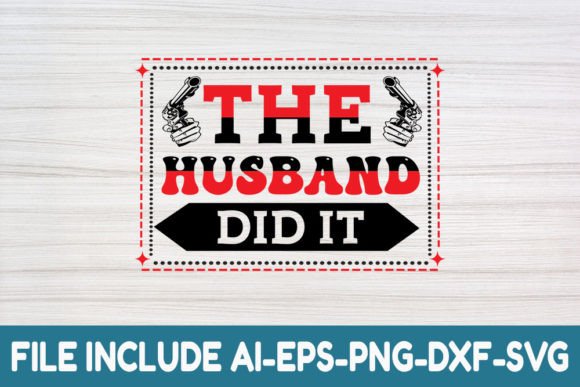
The HUSBAND DID IT - True Crime Svg
When I pull a new design file from my inbox, I don’t just look at the preview image. I immediately start thinking about stitch density, fabric interaction, and whether this piece will actually hold up in the real world. As a designer who reviews embroidery assets for both personal projects and commercial viability, I’ve learned that the difference between a "nice" design and a "sellable" product often comes down to subtle details that only reveal themselves under the needle.
This week, I took The HUSBAND DID IT - True Crime Svg for a spin. The title alone suggests a specific niche: humor, true crime enthusiasts, and perhaps a bit of dark wit. But does the execution match the concept? Below is my practical breakdown of how this design performs when moving from digital vector to physical thread.
First Impressions and Visual Personality
The immediate mood of The HUSBAND DID IT - True Crime Svg is bold and conversational. In the world of embroidery, text-based designs are high-risk, high-reward. If the kerning is off or the lettering is too thin, it looks amateurish. From what I can discern in the provided formats, this design leans into a statement-making aesthetic. It feels like it belongs on items where the wearer wants to spark a conversation—think coffee shops, casual Fridays, or themed parties.
The theme taps directly into the massive true crime podcast and documentary trend. For an Etsy seller or small shop owner, this is a timely angle. However, the visual weight needs to be handled carefully. A design with heavy text requires a stable foundation. If the letters are overly stylized with intricate serifs or sharp angles that might fray during stitching, it could compromise the longevity of the finished product. My initial read is that this is a strong graphic asset, but its success depends entirely on the execution of the stitch types chosen by the embroiderer.
Real-World Application: Where This Design Shines
I evaluated The HUSBAND DID IT - True Crime Svg across several common handmade product categories to see where it fits best.
- Custom Apparel and Sweatshirts: This is likely the strongest use case. Heavy cotton blends provide the stability needed for dense text. Imagine this embroidered on the chest of a neutral-colored crewneck sweatshirt. It reads as casual, edgy, and trendy. For custom apparel, this design offers high perceived value because it speaks directly to a passionate subculture.
- Tote Bags and Canvas Goods: A sturdy canvas tote bag is another excellent candidate. The durability of the fabric supports the weight of the embroidery without pucker. This makes it a perfect personalized gift for book lovers or podcast junkies. It’s functional art that people will actually use daily, increasing brand visibility if you are selling these items.
- Holiday Embroidery and Gifts: Given the humorous nature of the phrase, this works exceptionally well as a gag gift for birthdays, Christmas, or hostess presents. It has that "laugh-out-loud" quality that drives impulse buys on social media platforms. When marketed correctly, it becomes a standout item in a craft business lineup.
- Embroidered Patches: Converting this into a patch design allows for versatile application on denim jackets, backpacks, or hats. Patches offer a tactile element that flat embroidery lacks, adding depth to the design assets.
Technical Considerations and Stitch Execution
As a reviewer, I must emphasize that having the file is only half the battle. How you digitize or stitch this matters immensely. Here is what I recommend for optimal results.
Stitch Density and Clarity: Text-heavy designs require careful attention to stitch density. If the threads are too sparse, the background fabric may show through, making the message hard to read. Conversely, if the density is too high, the fabric may pucker, especially on lighter materials. I advise testing the embroidery file with a medium-density fill stitch for the letters to ensure crisp edges. Using a combination of satin stitch for outlines and fill stitch for the body can add professional polish.
Thread Colors: The choice of thread color can make or break this design. High contrast is key. White or bright yellow thread on a black garment will pop beautifully, while pastel threads on light fabric might get lost. Experiment with metallic threads for a touch of glamour, or stick to classic black/white for a minimalist vibe. Always test thread colors on scrap fabric before committing to the final piece.
Fabric Texture and Stability: Avoid using this design on highly textured fabrics like chunky knits or loose weaves unless you are experienced. The needle penetration can cause distortion. A tight-weave cotton or polyester blend is ideal. Furthermore, always use the appropriate stabilizer. For stretchy fabrics like jersey, a cut-away stabilizer is non-negotiable to prevent shifting during the hoop rotation.
Where to Exercise Caution
Not every surface is suitable for The HUSBAND DID IT - True Crime Svg. Be wary of:
- Small Hoop Sizes: If the design is scaled down too much, fine details may merge together, resulting in a muddy blob rather than legible text.
- Curved Surfaces: While possible on caps, curved surfaces require advanced hooping techniques. The tension must be perfectly balanced to avoid distorting the letters.
- Thin or Delicate Fabrics: Silk or thin rayon may tear under the stress of the needle. Stick to durable materials for a professional finish.
Commercial Viability and Brand Consistency
For those looking to sell this design, consider your target audience. The phrase appeals to adults who enjoy dark humor and mystery genres. It is less suitable for children’s items or conservative corporate branding. However, for a boutique targeting millennials and Gen Z, it fits right in.
Consistency is crucial. If you are building a brand around true crime or quirky humor, this design reinforces that identity. Use it in your printable mockups and social media content to create a cohesive look. Buyers trust sellers who present their embroidery project with clear, high-quality imagery that shows the texture and detail of the stitching.
Final Verdict and Designer Notes
The HUSBAND DID IT - True Crime Svg is a solid addition to any crafter’s library, particularly for those serving the humor and true crime niches. It offers versatility across multiple product types, from tote bag design applications to sweatshirt embroidery. Its strength lies in its relatability and conversational tone.
Before you start mass-producing, remember these essential steps:
- Test First: Always run a test stitch on scrap fabric to check alignment and tension.
- Check Licensing: Ensure you have the rights to sell finished goods if you are operating a commercial embroidery business.
- Inspect Details: Zoom in on the digital file to ensure no tiny parts are disconnected or too small to stitch.
- Choose Quality Materials: The best design fails with cheap thread or poor stabilizer. Invest in quality supplies.
Ultimately, this design has the potential to be a bestseller if executed with care. It captures a cultural moment and delivers it in a wearable, tangible format. For the skilled embroiderer, it is not just a file; it is an opportunity to connect with customers through shared interests and humor. Just remember: good embroidery is invisible effort. Make sure your stitching is clean, your edges are sharp, and your presentation is professional. That is how you turn a simple SVG into a valued handmade product.