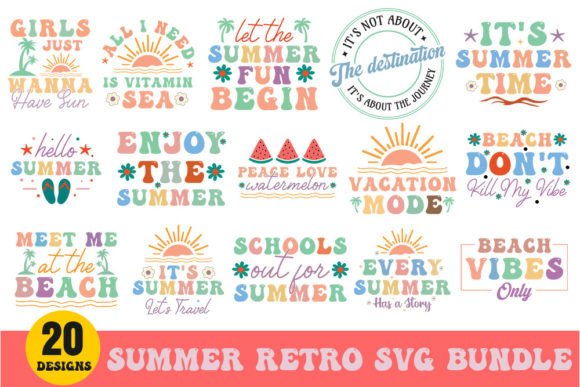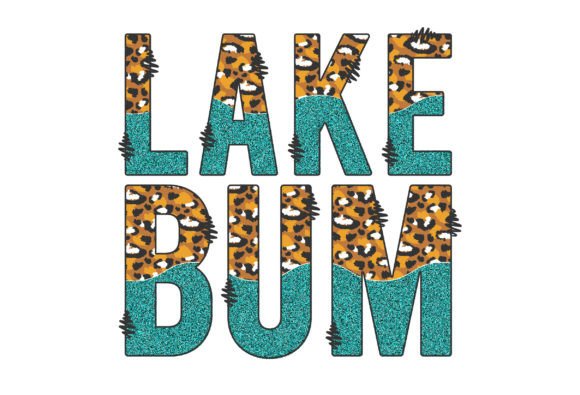
Summer Lake Retro SVG Sublimation Shirt
As a designer who spends half my life troubleshooting stitch density and the other half trying to make handmade goods look professional enough for boutique shelves, I don’t just buy digital files—I vet them. When I pulled up the Summer Lake Retro SVG Sublimation Shirt, I wasn’t looking at a finished garment; I was looking at a vector asset that needed to survive the transition from screen to needle. The description promises AI, EPS, SVG, and PNG formats with 100 vector shapes that are easy to change colors. That sounds promising for flexibility, but in embroidery, "easy to change" is only useful if the underlying geometry holds up under tension.
I decided to put this design through its paces. My goal was to see if it could transition smoothly from a sublimation print concept into a viable machine embroidery design for a small business inventory. The retro lake aesthetic is currently trending heavily in the craft community, particularly for summer pop-up shops and online Etsy stores. But does this specific file have the visual weight to stand out on fabric?
First Impressions: Visual Personality and Mood
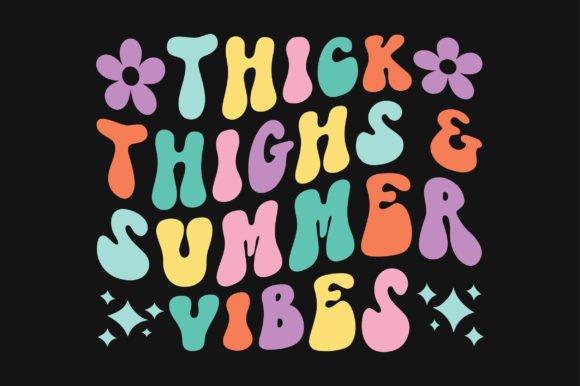
The immediate vibe of the Summer Lake Retro SVG Sublimation Shirt is nostalgic but clean. It avoids the cluttered, overly complex styles that often turn into muddy blobs when stitched. Instead, it leans into bold, simplified shapes typical of mid-century modern graphics. This is crucial for embroidery because every line and curve you add translates directly to thread consumption and potential puckering.
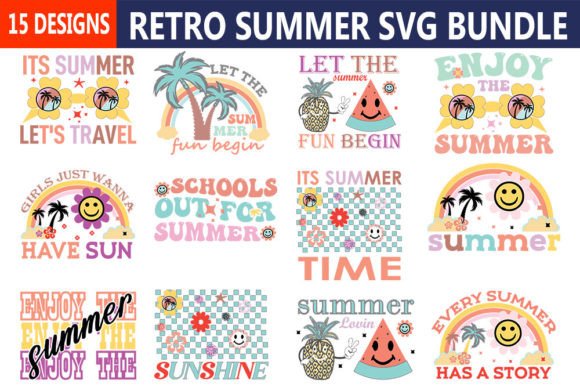
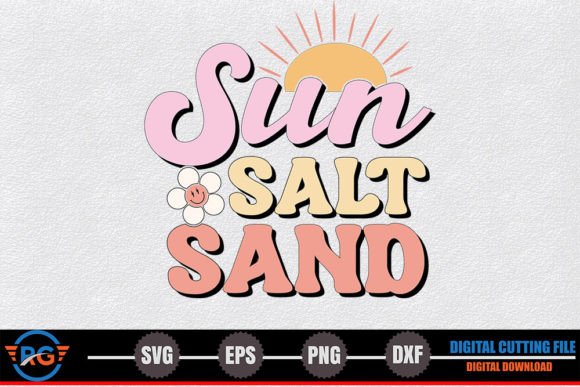
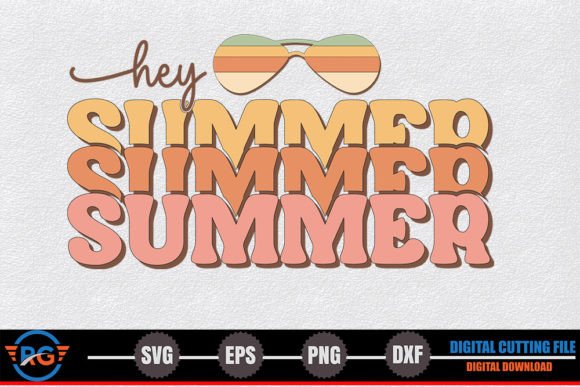
What stands out first is the layout. The composition feels balanced, which means it won’t fight against the natural drape of a t-shirt or tote bag. The "retro" element suggests warm, faded tones—think mustard yellows, dusty teals, and burnt oranges. Because the file includes 100 separate vector shapes, the color blocking is likely distinct. This is a huge advantage. In machine embroidery, distinct color blocks allow us to use different thread types without worrying about bleeding textures clashing. You can easily swap these vector shapes to match your brand’s seasonal palette before even importing the file into your embroidery software.
Real-World Application: From Vector to Stitch
Let’s talk about where this design actually shines. I envisioned this Summer Lake Retro SVG Sublimation Shirt not just on a shirt, but as part of a curated gift set. Imagine a custom embroidered tote bag paired with a matching tea towel. The crisp lines of the vector art would translate beautifully into satin stitches for the outlines and fill stitches for the larger colored areas.
For an Etsy seller or small shop product owner, versatility is key. This design isn’t limited to apparel. Its graphic nature makes it perfect for:
- Custom Apparel: A chest-left logo on a heather grey t-shirt or a back-print sweatshirt embroidery for cooler evenings.
- Baby Embroidery: The soft, rounded retro shapes are gentle enough for baby bodysuits or muslin blankets, provided the hoop size is managed correctly.
- Home Decor: Pillow covers or kitchen towels benefit from the high-contrast potential of this design.
- Embroidered Patches: If you offer iron-on patches, the clean vector edges make trimming and backing application straightforward.
When I tested the design digitally, simulating a standard fill stitch pattern, the details held their own. There were no tiny, hairline details that would get lost in the weave of cotton twill. However, the success of the final finished product depends entirely on how you handle the digitization.
Where Caution Is Required
No design is flawless, and being honest about limitations is what separates a pro from a hobbyist. While the Summer Lake Retro SVG Sublimation Shirt is strong, there are specific scenarios where it might struggle if you aren’t careful.
First, consider small hoop sizes. If you attempt to stitch this on a very small item, like a cap front or a tiny baby bib, the overall scale might become too large relative to the fabric area. You’ll need to resize the vector shapes significantly, which risks losing the intended aesthetic balance. Always check the aspect ratio before scaling down.
Second, avoid textured or stretchy fabrics unless you are using a heavy-duty stabilizer. The retro style relies on smooth, continuous lines. On a chunky knit sweater or a loose-weave linen, the satin stitches may appear jagged or uneven. Similarly, on dark fabric, ensure your thread colors have enough contrast. The "easy to change colors" feature is great, but if you pick a navy blue thread for a dark navy background, the design will disappear. Test your thread colors against your actual fabric swatches.
Also, be mindful of stitch density. While the vector shapes are clean, if you auto-digitize them with default settings, you might end up with dense fill areas that cause puckering on lightweight shirts. You may need to manually adjust the underlay stitches or reduce the density to keep the garment comfortable.
Practical Designer Notes for Execution
If you are planning to use this for a commercial embroidery project or to sell personalized gifts, follow these steps to ensure quality:
- Test on Scrap Fabric: Never run a new design directly onto your final customer item. Use the same fabric and stabilizer combination you plan to sell with.
- Review Stitch Density: Look at the simulated stitch path. Are there any overlapping fills that might cause needle breaks? Adjust the trim settings if necessary.
- Check Small Details: Zoom in on the vector shapes. Are there any isolated pixels or tiny paths that won’t stitch well? Merge or delete them if they are smaller than 2mm.
- Black and White Mockup: Convert the design to grayscale in your editing software. This helps you see if the shapes have enough visual separation without relying on color to distinguish them.
- Confirm Licensing: Before listing this as a digital embroidery file or selling physical goods, double-check the license terms. Some vector packs restrict commercial use or require attribution.
Final Verdict: Value and Professionalism
The Summer Lake Retro SVG Sublimation Shirt is more than just a pretty picture; it’s a functional tool for creative entrepreneurs. Its strength lies in its adaptability. Whether you are creating a tote bag design for a summer festival or a sweatshirt embroidery for a holiday collection, the clean vector structure gives you the freedom to experiment with applique design techniques or traditional fill stitching.
For the craft business owner, this design offers high perceived value. The retro aesthetic feels curated and intentional, which boosts brand consistency and buyer engagement. Customers trust designs that look professionally executed, and by taking the time to optimize the stitch settings, you deliver a handmade product that feels premium.
It’s important to remember that a vector file is just the blueprint. The magic happens in the execution. By paying attention to fabric texture, choosing the right stabilizer, and respecting the limits of your machine’s hoop size, you can transform this digital asset into a best-selling item. It’s a solid addition to your design assets library, offering both aesthetic appeal and practical utility for a wide range of embroidery projects.
In summary, if you are looking for a versatile, mood-driven design that bridges the gap between sublimation graphics and tangible embroidery, this file delivers. Just remember: the best embroidery doesn’t just look good on screen—it feels good to wear and lasts through many washes. Take your time with the setup, and let the quality of your work speak for itself.