Resting Nurse Face Retro SVG: A Designer’s Review
As a designer who spends more time than I care to admit staring at stitch density charts and debating the merits of tear-away versus cut-away stabilizer, I approach every new embroidery file with a healthy dose of skepticism. The market is flooded with generic clipart that looks fine on a screen but falls apart when translated into thread. Today, I am putting the Resting Nurse Face Retro SVG through its paces. This isn’t just about whether it downloads correctly; it is about whether it holds up in a real-world embroidery project, specifically for those of us running small businesses or crafting personalized gifts.
First Impressions: Mood and Visual Personality
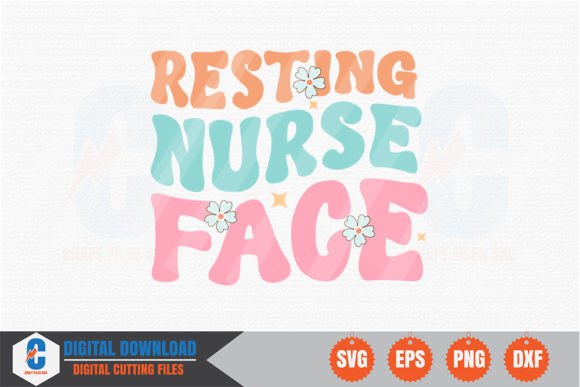
The moment you load the vector, the mood is set. This design leans heavily into nostalgia. It captures that specific "resting" vibe—perhaps after a long shift or during a quiet coffee break—that resonates deeply with healthcare workers. For an Etsy seller or small shop product owner, this emotional connection is your strongest asset. It isn’t just a face; it is a statement about self-care and resilience.
Visually, the retro aesthetic suggests bold lines and simplified shapes. From a design perspective, this is smart. Intricate details often get lost in dense fabric textures, but a strong silhouette remains legible even from across a room. The layout feels balanced, making it versatile enough for various placements, whether centered on a chest or positioned as an accent on a sleeve. It screams "handmade product" without looking amateurish, provided you execute the stitching correctly.
Real-World Application: Where Does It Fit?
I visualized this design in several scenarios before committing to a test run. The most obvious candidate was a custom embroidered tote bag. Healthcare professionals carry a lot of gear, and a sturdy canvas tote featuring the Resting Nurse Face Retro SVG serves as both a functional item and a badge of identity. The retro style pairs exceptionally well with thick cotton duck canvas, where the thread can sit proudly on top rather than sinking into the weave.
Another strong contender is sweatshirt embroidery. Imagine a cozy, oversized crewneck in heather grey or navy. Placing this design on the front creates a wearable piece of art that feels personal and comforting. It works equally well as a gift for nursing students or seasoned staff members who need a reminder to take a breath. The design’s simplicity allows it to stand out against the soft texture of fleece or French terry without competing with the fabric’s natural drape.
I also considered its potential as an embroidered patch. If you are creating detachable patches for denim jackets or backpacks, the clean edges of this vector make it easy to digitize with a proper border. It adds a touch of personality to rugged materials, bridging the gap between professional pride and casual fashion. For holiday embroidery, it could serve as a thoughtful end-of-year gift for hospital staff, packaged nicely with a handwritten note.
Product Value and Customer Trust
When customers buy handmade items, they are buying into the story behind them. A well-executed machine embroidery design signals professionalism. If the stitch density is consistent and the threads are matched carefully to the fabric, the buyer perceives higher value. The Resting Nurse Face Retro SVG, with its clear graphic nature, reduces the risk of muddy stitching. This clarity builds trust. Buyers know exactly what they are getting, and the finished product matches their expectations, reducing returns and increasing positive reviews.
Furthermore, the versatility of the design supports brand consistency. Whether you are selling custom apparel, aprons, or kitchen towels, this motif ties your collection together. It appeals to a specific niche—nurses, caregivers, medical enthusiasts—allowing you to target your marketing effectively. When you see a design that speaks directly to your audience, your engagement rates naturally improve because the product feels curated for them.
Practical Considerations and Pitfalls
However, not every surface is created equal. There are places where this design should be used with caution. Small hoop sizes can be tricky. If you attempt to stitch this on a tiny item like a baby bib or a small cap panel, ensure the digitization accounts for the limited space. Crowding the design can lead to puckering or distorted proportions.
Fabric texture plays a huge role. On highly textured fabrics like waffle knit or heavy chenille, fine details might disappear. The thread colors need to have enough contrast against the background to remain visible. Dark fabrics require careful color selection; a light-colored thread might get lost if the contrast isn’t sharp. Similarly, stretchy fabrics like spandex blends can cause distortion if you don’t use the right stabilizer. Without adequate support, the hoop tension alone may warp the design, ruining the symmetry of the face.
Curved surfaces, such as baseball caps, present another challenge. While the design might look flat in your software, transferring it to a curved brim or crown requires precise positioning. If the design has any text or fine linear elements, ensure they follow the curve naturally or adjust the digitization to compensate for the angle. Dense stitch areas can also cause issues on thin fabrics, leading to stiffness that makes the garment uncomfortable to wear. Always inspect small details and test the stability of the backing.
Technical Notes for the Designer
Before rushing into production, there are essential steps to take. First, always test the design on scrap fabric. This allows you to check thread color contrast and observe how the stitches interact with the material. Review the stitch types—are there enough satin stitch elements for clean edges, or does it rely too heavily on fill stitch which might look bulky? Confirm the hoop size required to avoid unnecessary trimming or re-hooping.
It is also wise to test the design in black and white mockups. This helps verify that the composition works regardless of color variations. Compare light and dark fabric backgrounds to ensure the design remains impactful in all contexts. Use proper stabilizer for each fabric type; a lightweight cut-away might be perfect for knits, while a heavyweight tear-away could be better for woven bags.
Finally, confirm licensing before selling finished items or digital products. Ensure you have the rights to use the Resting Nurse Face Retro SVG for commercial purposes. Check whether the included formats—SVG, EPS, DXF, PNG—offer the flexibility you need for different machines and editing software. Having an editable EPS file is invaluable for adjusting colors or resizing within Adobe Illustrator, giving you full control over the final output.
Final Verdict
The Resting Nurse Face Retro SVG is a solid choice for designers looking to add a meaningful, stylish element to their catalog. Its retro charm and clear structure make it suitable for a wide range of applications, from tote bag design to personalized gifts. By paying attention to fabric choices, stabilization, and testing, you can transform this vector into a high-quality finished product that customers will love. It is a practical, emotionally resonant design that fits seamlessly into the world of modern craft business and creative entrepreneurship.