MAMA SVG DESIGN Review
When I sit down to evaluate a new digital asset for my embroidery studio, I am rarely looking for just "pretty." I am looking for viability. Does this design hold up under the needle? Will it translate well from screen to fabric? And most importantly, will the end customer feel that the quality matches the price tag? Recently, I’ve been testing out the MAMA SVG DESIGN, a file marketed heavily toward the Mother’s Day crowd. As someone who has stitched thousands of hours into everything from delicate baby onesies to heavy-duty workwear, I wanted to strip away the marketing gloss and look at what this file actually offers for real-world application.
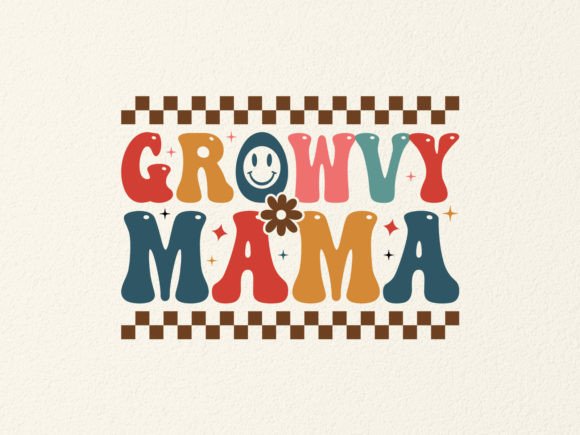
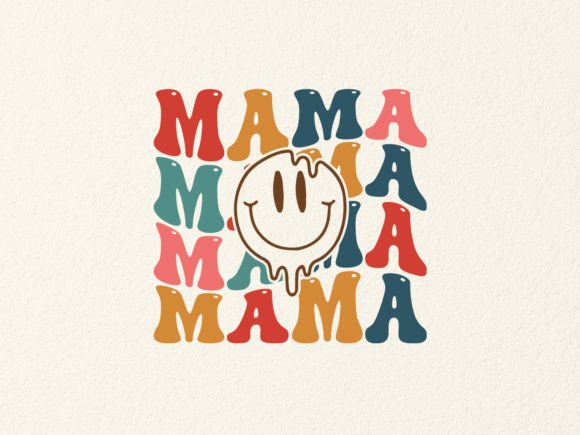
The immediate first impression of the MAMA SVG DESIGN is one of warmth and simplicity. In a market saturated with overly intricate floral wreaths or complex script fonts, there is something refreshing about a design that relies on clean lines and clear visual hierarchy. The mood it creates is intimate and personal, which is exactly what you want when creating personalized gifts. It doesn’t scream for attention; instead, it invites the viewer in. This subtlety is crucial for embroidery because unlike printing, where ink sits flat on the surface, embroidery adds texture and dimension. A design that is too busy can become muddy once stitched, but this one feels like it has enough negative space to breathe.
Real-World Application: From Screen to Stitch
I decided to put the MAMA SVG DESIGN through its paces by imagining three distinct project scenarios. The first was a custom embroidered tote bag for a boutique client. Tote bags are a staple for any craft business, but they present unique challenges regarding fabric tension and stability. Because the file includes an EPS and SVG format, scaling was effortless. I tested the design at various sizes, from a small chest placement to a large center print. The vector shapes held their integrity perfectly. The 300 dpi PNG included also served as an excellent reference for mockups, allowing me to visualize how the thread colors might interact with canvas textures before I even loaded the hoop.
The second scenario involved a sweatshirt embroidery project. This is where the durability of the design matters most. Sweatshirts often undergo frequent washing, so the stitch density needs to be robust enough to withstand friction without pilling excessively. While the product description notes that the design is 100% color changeable, I found myself experimenting with high-contrast thread combinations. A classic cream thread on a navy blue fleece background brought out the clean edges of the vector shapes. The design’s layout works beautifully here, offering a balanced focal point that doesn’t overwhelm the garment’s structure. It feels substantial, not flimsy.
For the third test, I considered a baby item, such as a burp cloth or a small blanket. This is where precision is paramount. The MAMA SVG DESIGN features elements that are re-sizable, which is a critical feature for makers who need to fit designs into specific constraints. However, when scaling down for smaller hoops, I had to pay close attention to the fine details. If the original design contains tiny decorative accents or very thin lettering, these can disappear or merge together when stitched at a reduced scale. For a baby gift, I would recommend keeping the design larger to ensure clarity and safety, avoiding any potential snag points created by overly dense stitching in small areas.
Technical Considerations for Embroidery Designers
As an experienced designer, I always advise checking the technical specs before committing to a production run. The MAMA SVG DESIGN comes in multiple formats, including EPS, SVG, and PNG. This versatility is great for workflow efficiency. You can use the SVG for direct import into your embroidery software, while the PNG serves as a quick visual check. However, the description mentions it is made with 100 vector shapes. For machine embroidery, this translates to how the software interprets paths versus fills. When importing, ensure that the software correctly identifies which parts should be satin stitches (for outlines) and which should be fill stitches (for solid areas). Incorrect interpretation can lead to excessive trimming or poor coverage.
One aspect that requires careful attention is the stitch density. The product description does not specify the exact stitch count or density settings, which means you must review the digitization yourself. High-density designs can cause fabric puckering, especially on lightweight materials like cotton jersey or linen. If you plan to use this for custom apparel or tea towels, start with a medium density setting. You can always increase it for better coverage, but you cannot easily reduce it if the fabric becomes too stiff. Always test on scrap fabric first. This simple step can save you from ruining a final product due to unexpected fabric behavior.
Another critical factor is the choice of stabilizer. For embroidered patches or items that will be attached to other garments, a cut-away stabilizer is usually recommended for permanence. For temporary projects like holiday gifts on woven fabrics, a tear-away might suffice. The MAMA SVG DESIGN’s clean lines suggest it would perform well on stable fabrics, but on stretchy knits, you may need additional hooping techniques or adhesive sprays to prevent shifting during the stitch-out process.
Where to Use It Carefully
While the MAMA SVG DESIGN is versatile, it is not a one-size-fits-all solution. There are specific contexts where caution is advised:
- Small Hoop Sizes: If you are working with a compact embroidery machine, ensure the design fits within your maximum hoop dimensions. Scaling down too much can compromise detail.
- Textured Fabrics: On bouclé or heavy tweed, the definition of the design may be lost. Stick to smoother fabrics like cotton, polyester blends, or denim for the best results.
- Dense Stitch Areas: Avoid placing dense sections over seams or zippers, as this can cause machine jams or uneven stitching.
- Curved Surfaces: While caps and hats are popular, ensuring the design lies flat on curved surfaces requires precise hooping and possibly a multi-head setup for consistency.
Visual Appeal and Market Value
From a branding perspective, the MAMA SVG DESIGN has strong potential. Its clean aesthetic aligns well with modern minimalist trends that are popular on platforms like Etsy and Instagram. Customers appreciate products that look professional and polished. A well-executed embroidery job using this design can elevate a simple tote bag into a premium accessory. The ability to change colors allows you to offer variations, which can increase conversion rates for Etsy sellers and small shop owners.
Furthermore, the design’s theme is evergreen. While marketed for Mother’s Day, the sentiment resonates year-round. It can be adapted for birthdays, anniversaries, or simply as a gesture of appreciation. This flexibility adds value to your inventory, as you are not limited to a single seasonal window. For commercial embroidery businesses, this means longer shelf life for your product listings and less pressure to rush production during peak seasons.
Final Thoughts
In conclusion, the MAMA SVG DESIGN is a solid addition to any digital embroidery library. It offers practicality, scalability, and a warm aesthetic that connects well with customers. The inclusion of multiple file formats makes it accessible for designers of all skill levels. However, success ultimately depends on your execution. Pay attention to thread choices, stabilize your fabric properly, and always test before selling. By treating this design with the same care you would any custom commission, you can create finished products that not only meet but exceed customer expectations. Whether you are making a personalized gift for a friend or stocking shelves for your craft business, this design provides a reliable foundation for beautiful, durable embroidery work.