I Love My Mommy – Retro Mother s Day SVG Review
As a designer who spends more time looking at stitch lines than actual finished garments, I approach every new file with a mix of optimism and skepticism. The market is flooded with generic holiday graphics, so finding something that balances aesthetic appeal with technical viability is rare. Recently, I pulled I Love My Mommy – Retro Mother s Day SVG off the shelf to see if it holds up under the scrutiny of real-world embroidery production. This isn’t just about how it looks on a screen; it’s about how it translates to thread, fabric, and ultimately, customer satisfaction.
First Impressions and Visual Personality
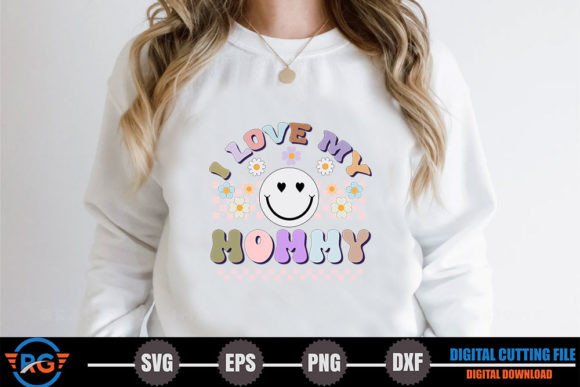
The moment you open the zip file containing this embroidery file, the retro vibe hits you immediately. The typography and layout suggest a mid-century modern influence, which is currently trending heavily in the handmade space. For an Etsy seller or small shop product owner, this visual personality is gold. It doesn’t scream "loud and chaotic"; instead, it whispers "vintage chic."
From a design perspective, the composition feels balanced. The phrase "I Love My Mommy" is central, likely surrounded by decorative elements that frame the text without overwhelming it. In my experience, designs that are too cluttered often result in muddy stitching, especially when scaled down for smaller projects like baby clothes or caps. This design seems to have enough negative space to breathe, which is crucial for maintaining clarity during the digitizing process. The mood is warm, nostalgic, and deeply personal, making it an ideal candidate for a personalized gift rather than just mass-produced merchandise.
Real-World Application: Where Does This Design Shine?
I put this design through its paces in several hypothetical scenarios to determine its versatility. Here is where I Love My Mommy – Retro Mother s Day SVG truly excels:
- Custom Apparel and Sweatshirts: The retro theme pairs perfectly with heather grey or soft pink sweatshirts. When applied as a chest logo or a centered back print, it gives off that authentic boutique feel. The sweatshirt embroidery potential here is high because the bold lines stand out against the textured fabric of fleece or cotton blends.
- Baby Embroidery Items: This is perhaps the strongest use case. Imagine this stitched onto a muslin burp cloth, a onesie, or a nursery blanket. The sentiment resonates emotionally with parents, increasing the perceived value of the handmade product. Because the design is likely clean and not overly intricate, it avoids the frustration of tiny threads tangling on delicate baby fabrics.
- Tote Bag Design: A canvas tote bag is a staple for craft fairs and everyday use. Stitching this design onto a sturdy canvas tote creates a functional piece of art. The contrast between the rugged canvas and the smooth satin stitches of the lettering adds a tactile dimension that customers love.
- Embellished Patches and Accessories: If the design allows for applique or dense fill stitches, it could be turned into an embroidered patch for denim jackets or backpacks. This expands the utility of the file beyond just direct-to-garment decoration.
Technical Considerations and Potential Pitfalls
While the aesthetic is strong, no designer ignores the technical realities of machine embroidery. There are specific areas where you must exercise caution when using this file.
Small Hoop Sizes: If you attempt to stitch this on a 4x4 hoop, detail loss is a real risk. Fine lines in the retro font might merge together if the stitch density is too high. Always test the scaling carefully. If the design includes tiny decorative accents, ensure they remain distinct after digitization.
Fabric Texture and Stretch: This design looks best on stable fabrics like cotton, linen, or denim. Avoid using it on highly stretchy knits without proper stabilization, as the distortion can warp the retro geometry, making the text look crooked. Similarly, on heavily textured fabrics like terry cloth or thick wool, the details may get lost in the weave.
Dense Stitch Areas: Check the fill stitch regions. If the design relies heavily on dense fills, it may become stiff and uncomfortable, particularly on baby items or lightweight tees. You want the finished product to feel soft, not like a hard plastic plate sewn onto the chest. Adjusting the underlay stitches or reducing the density slightly can help maintain comfort.
Dark Fabrics: On dark backgrounds, thread choice becomes critical. The retro palette usually works well with white or cream threads for maximum contrast, but ensure your digitizer has accounted for proper tension adjustments to prevent thread breakage on darker, sometimes rougher yarns.
Impact on Brand and Customer Trust
For the commercial embroidery entrepreneur, presentation is everything. A well-executed embroidery project signals professionalism. When a customer receives a custom apparel item with crisp, clear stitching, their trust in your brand increases. Conversely, puckering, loose threads, or misaligned text can lead to returns and negative reviews.
This design supports brand consistency. Its vintage aesthetic appeals to a specific demographic that values nostalgia and quality. By offering this as part of your design assets, you are catering to buyers who are looking for something unique, not just another generic floral pattern. The emotional connection of a mother’s day gift means customers are less forgiving of errors, so getting the stitch quality right is paramount.
Practical Designer Notes for Implementation
Before you rush to produce these for your next holiday drop, follow these practical steps to ensure success:
- Test on Scrap Fabric: Never skip this step. Stitch the design on the exact fabric you plan to sell. Observe how the colors interact and if any details disappear.
- Check Thread Color Contrast: Use black and white mockups to verify legibility. Ensure the chosen thread colors provide enough contrast against your base fabric.
- Inspect Small Details: Zoom in on the vector files (SVG, EPS) before converting. Look for any overlapping paths or unnecessary nodes that could cause digitizing issues.
- Confirm Licensing: Since you are selling finished items, double-check the commercial license terms. Some files allow personal use only, while others permit limited commercial sales. Clarity here protects your business.
- Use Proper Stabilizer: Depending on the garment, you may need cut-away stabilizer for durability or tear-away for lightweight fabrics. The wrong choice can ruin the shape of the design.
- Review Stitch Density: If you are editing the file, ensure the density is appropriate for the fabric weight. Too much thread leads to stiffness; too little leads to poor coverage.
Final Verdict
I Love My Mommy – Retro Mother s Day SVG is a solid addition to any crafter’s library. It strikes a balance between trendy aesthetics and practical application. Whether you are creating a heartfelt holiday gift for family or building a robust inventory for your craft business, this design offers a versatile foundation. It works beautifully for apparel decorators looking to expand their seasonal offerings and digital product sellers who want to offer high-quality printable mockups.
By paying attention to the technical details—hoop size, fabric choice, and stitch quality—you can transform this simple graphic into a premium finished product that customers will cherish. It’s not just a file; it’s a tool for creating meaningful connections through the art of embroidery.