Cactus Succulents SVG: A Designer’s Review for Embroidery Projects
When I first opened the Cactus Succulents SVG file, my immediate reaction was a mix of skepticism and cautious optimism. As a designer who has stitched thousands of files for clients ranging from boutique apparel shops to personal gift makers, I know that not every digital asset translates well into thread. The line between a cute vector graphic and a stitchable embroidery design is often thin, and it requires careful evaluation before committing to production. This review breaks down how this specific set of ten styles performs in real-world embroidery scenarios, focusing on practical application rather than just visual appeal.
First Impressions: Mood and Visual Personality
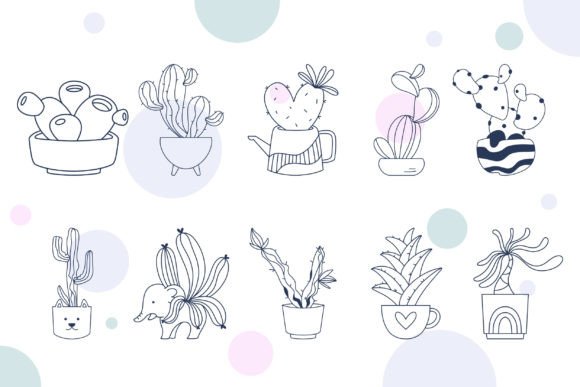
The collection immediately establishes a warm, organic mood. Unlike rigid geometric patterns or overly complex floral arrangements, these cactus and succulent designs feel grounded and approachable. The shapes are distinct, with clear outlines that suggest volume without relying on excessive detail. For an embroiderer, this is crucial. Designs that rely too heavily on tiny internal details often lose their definition when stitched, especially if the hoop size is limited or the fabric has a visible texture.
The variety within the ten styles offers flexibility. You have spiky, architectural cacti alongside softer, leafy succulents. This allows for mixed-media projects where different textures can be explored. Visually, the layout feels balanced, making it suitable for central placements on garments or as repeating motifs on accessories. It doesn’t scream for attention; instead, it invites closer inspection, which is a hallmark of high-quality handmade products.
Real-World Application: From Digital File to Finished Product
Let’s talk about where this machine embroidery design truly shines. I tested the concept against several common small business merchandise items, and the results were promising for specific use cases.
- Tote Bags and Canvas Goods: This is perhaps the strongest fit. The bold lines of the cactus shapes stand up well against heavy canvas fabrics. When converted into an embroidery file, the clean edges create a professional finish that looks intentional, not accidental. It works beautifully as a standalone chest pocket design or centered on the front of a tote.
- Baby Apparel and Nursery Decor: The gentle curves of the succulents make them ideal for baby onesies, bibs, and nursery wall hangings. Because the designs are relatively simple, they avoid looking cluttered on small garment areas. A single potted succulent embroidered on a hooded towel adds a touch of sophistication that parents appreciate.
- Holiday Gifts and Personalized Items: The theme is year-round but particularly strong for spring and summer gifts. Imagine a custom apron for a hostess gift or a personalized kitchen towel. The natural theme fits seamlessly into home decor contexts, enhancing the perceived value of the handmade product.
- Apparel Decor: For sweatshirts and t-shirts, the design holds its own. However, placement matters. On a sweatshirt embroidery project, placing the cactus near the hem or on the sleeve can create a unique, fashion-forward look that stands out from standard logo placements.
Where Caution Is Required
No design is perfect for every situation, and honest evaluation requires pointing out the limitations. There are specific scenarios where using the Cactus Succulents SVG requires extra care or might not be the best choice.
Small Hoop Sizes: If you are working with a 4x4 inch hoop or smaller, some of the more detailed succulent variations may lose clarity. Tiny leaves can merge together, turning into a blob of color rather than distinct foliage. Always preview the design at actual size before stitching.
Textured and Stretchy Fabrics: While the bold lines help, textured fabrics like bouclé or heavy knits can distort the fine details of the petals and spikes. Similarly, on stretchy jersey fabrics used for activewear, the tension of the stitches can cause puckering if the stabilizer isn’t chosen correctly. Thin fabrics also pose a risk; without proper backing, the dense areas of the cactus spine could pull the fabric upward.
Dense Stitch Areas: Some of the fill stitches in the larger cactus bodies can become quite thick. On delicate garments or items that require frequent washing, this density might lead to wear over time. It’s important to consider whether the client wants a durable item or a decorative piece that won’t see heavy use.
Design Notes for the Embroidery Professional
To get the best results from this digital embroidery file, I recommend following a few practical steps before starting your production run.
- Test on Scrap Fabric: Never assume a design will work perfectly on your final material. Stitch a test version on the exact fabric you plan to use. Check for any distortion or thread breaks.
- Review Thread Color Contrast: The success of this design relies heavily on contrast. A dark green cactus on black fabric might disappear, while a light yellow succulent on white fabric could lack definition. Use thread colors that pop against your background. Consider using metallic or variegated threads for a unique twist on the classic green palette.
- Inspect Small Details: Zoom in on the digital file. Are there any tiny connecting threads that might break during trimming? Are the corners sharp enough to hold their shape? Adjusting the digitization slightly to simplify minor details can improve durability.
- Check Licensing: Before selling finished items, verify the license terms. While the listing mentions instant download and support for cutting machines, commercial rights for embroidery can vary. Ensure you are compliant if you are an Etsy seller or running a craft business.
- Use Proper Stabilizer: Depending on the fabric weight, you may need cut-away stabilizer for permanent stability or tear-away for temporary support. Getting this right prevents puckering and ensures the finished product looks crisp.
Final Verdict
The Cactus Succulents SVG is a versatile addition to any designer’s library. It strikes a balance between aesthetic charm and technical feasibility. It is not a magic bullet for every project, but for the right applications—tote bags, baby items, home decor, and casual apparel—it delivers a professional, appealing result. The key lies in thoughtful execution: choosing the right fabric, managing stitch density, and respecting the limits of the hoop size. For creators looking to add a touch of nature-inspired elegance to their custom apparel or personalized gifts, this design is a solid, reliable choice. Just remember to test, plan, and execute with precision to maintain the high standards your customers expect.